


Lunar New Year Kicks Off Across Southern England as Nations Welcome the Year of the Horse
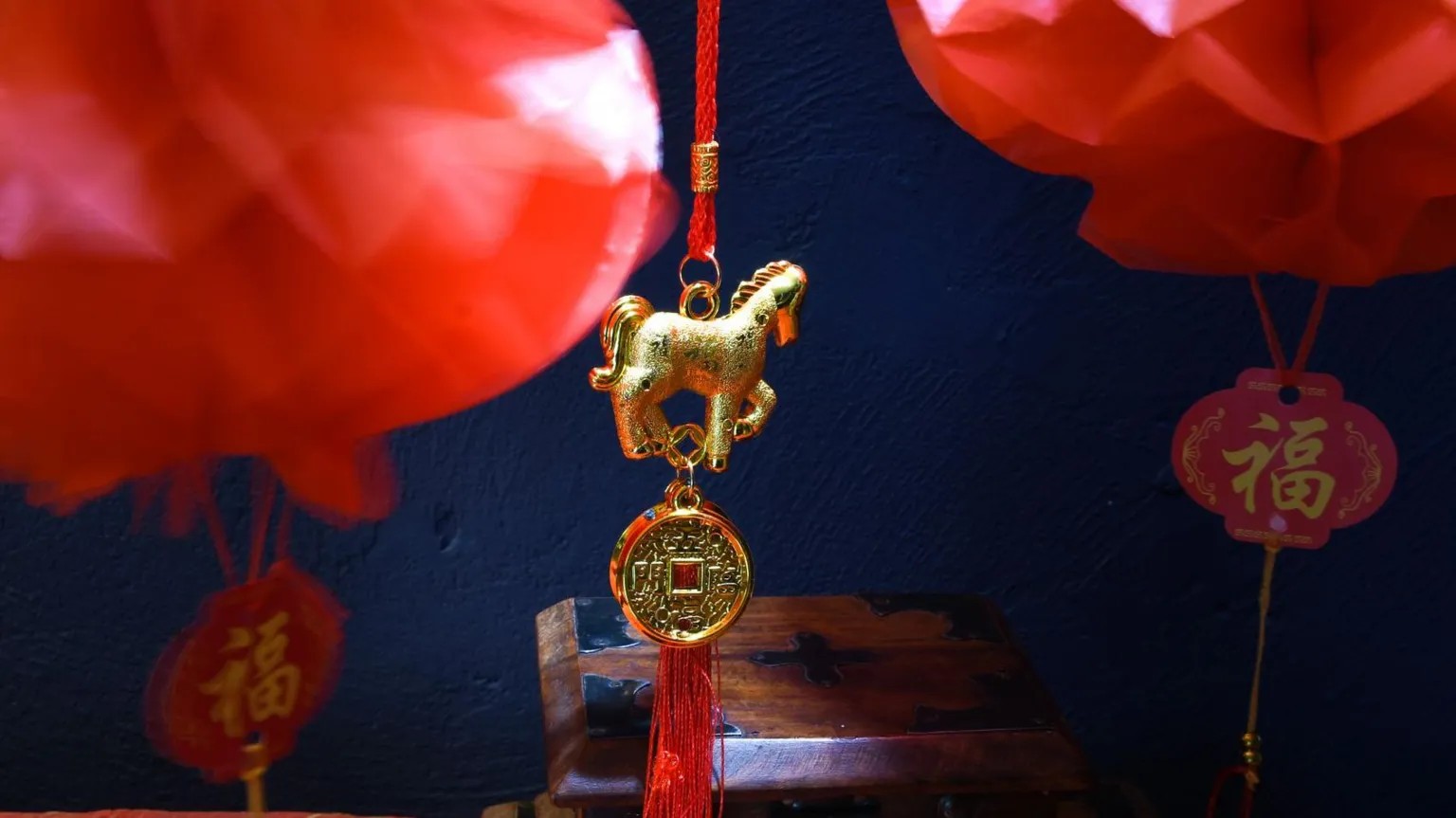
As the first new moon of the lunar calendar brightens the sky, millions around the world mark the start of Lunar New Year — a 15-day festival that begins this year on Tuesday, 02/17/2026. Across southern England, communities are gearing up to swap the Year of the Snake for the Year of the Horse with a programme of parades, workshops and traditional ceremonies that showcase centuries-old customs alongside contemporary celebrations.
From city centres to community halls, organisers have planned events designed to engage families, honour ancestors and share cultural heritage. Colourful street parades, featuring dragon and lion dances accompanied by beating drums and cymbals, are expected to draw large crowds. These performances, rooted in the belief they drive away bad luck and usher in prosperity, will be complemented by choreographed martial arts demonstrations and traditional music recitals in parks and public squares.
Lantern festivals and evening light displays will transform pedestrianised streets into rivers of red and gold. Many venues are staging lantern-making workshops and calligraphy sessions where visitors can learn to write auspicious characters and make decorative couplets to hang in their homes. Temple fairs and community centres will also host food markets offering traditional street foods — from dumplings and bao to festive cakes and sweet treats — giving residents and visitors the chance to sample seasonal dishes that symbolize reunion and good fortune.
Cultural institutions in the region are contributing with curated exhibitions and lectures explaining the festival’s symbolism and regional variations. Family-focused programming will include storytelling sessions about zodiac myths — highlighting this year’s Horse sign, associated with energy, independence and good fortune — and craft workshops for children. Red envelope (lai see or hongbao) giving demonstrations and etiquette talks are planned to help newcomers understand the customs surrounding gift-giving during the celebrations.
Public authorities and organisers have coordinated logistics to manage the surge in attendance at major events. Streets hosting parades will see temporary closures and increased stewarding; organisers advise arriving early and checking local council websites for travel information. Many events are free, though some ticketed performances and special banquets require advance booking.
Local community leaders emphasise the festival’s role in cultural exchange. “This is a time for families and neighbours to come together and for communities to introduce Lunar New Year traditions to a wider audience,” said organisers, noting the celebrations’ power to strengthen social bonds and promote mutual understanding.
The 15-day period culminates in the Lantern Festival, when lanterns are released or displayed and traditional riddles are solved, bringing the celebrations to a luminous close. Across southern England, the season promises to be a vivid mix of ritual, performance and shared feasting — an invitation to experience the rhythms of one of the world’s most widely observed cultural festivals.











0 Comment(s)